

Sleep Deeper with Nature’s Touch in Small Bedrooms

Today we explore biophilic design ideas to enhance sleep quality in limited spaces, blending nature’s cues with compact-room practicality. Expect calm layouts, light that supports circadian rhythms, breathable materials, and tiny, nourishing rituals that turn even a narrow bedroom into a restorative sanctuary without clutter, strain, or expensive renovations. Share your favorite ideas and subscribe for future small-space inspiration.

Compact Layouts that Invite Calm

Start by letting the room breathe: position the bed where your eyes meet softness—fabric, wood grain, or a glimpse of sky—rather than storage chaos. Keep pathways clear for morning light, reduce visual noise near the headboard, and group belongings thoughtfully. These simple choices reduce cognitive load, slow heart rate, and set the stage for faster, deeper sleep in small quarters.

Plants and Living Elements that Fit Anywhere

Green life calms the nervous system, even when floorspace is scarce. Choose hardy species suited to bedrooms, prioritize clean potting practices, and consider wall planters to lift foliage off the ground. Beyond air quality perceptions, the daily act of care builds soothing rhythms that gently prepare the body for rest.

Light that Resets the Body Clock

Shape a rhythm that mirrors the sky: brighter, cooler light for mornings and warm, low light as evening approaches, with darkness guarding the late-night hours. Sheers, adjustable bulbs, and thoughtful placement help tiny rooms support melatonin production, consistent wake times, and gentler transitions between day and night.

Daytime Brightness without Glare

Bounce daylight deeper using matte, pale walls and a well-placed mirror angled toward the ceiling, not the pillow. Keep window sills tidy to maximize glass area. If sunlight is limited, pair a full-spectrum desk lamp with task lighting across the room to encourage alertness without harsh hotspots.

Sunset Warmth and Dimness

About two hours before bed, shift to 1800–2700K light and reduce intensity dramatically. Use lamps with shades, hidden LED strips behind headboards, and candlelike glow. The aim is soft edges and long shadows that nudge the nervous system toward rest and protect evening calm from intrusive brightness.

Darkness and Safe Night Guidance

Total blackness supports deeper rest, yet small spaces need orientation at night. Install motion-activated, low-level amber guides beneath the bed or along the baseboard. They protect toes, preserve melatonin, and keep the room free of jarring light that wakes the mind unnecessarily.

Materials, Patterns, and Senses
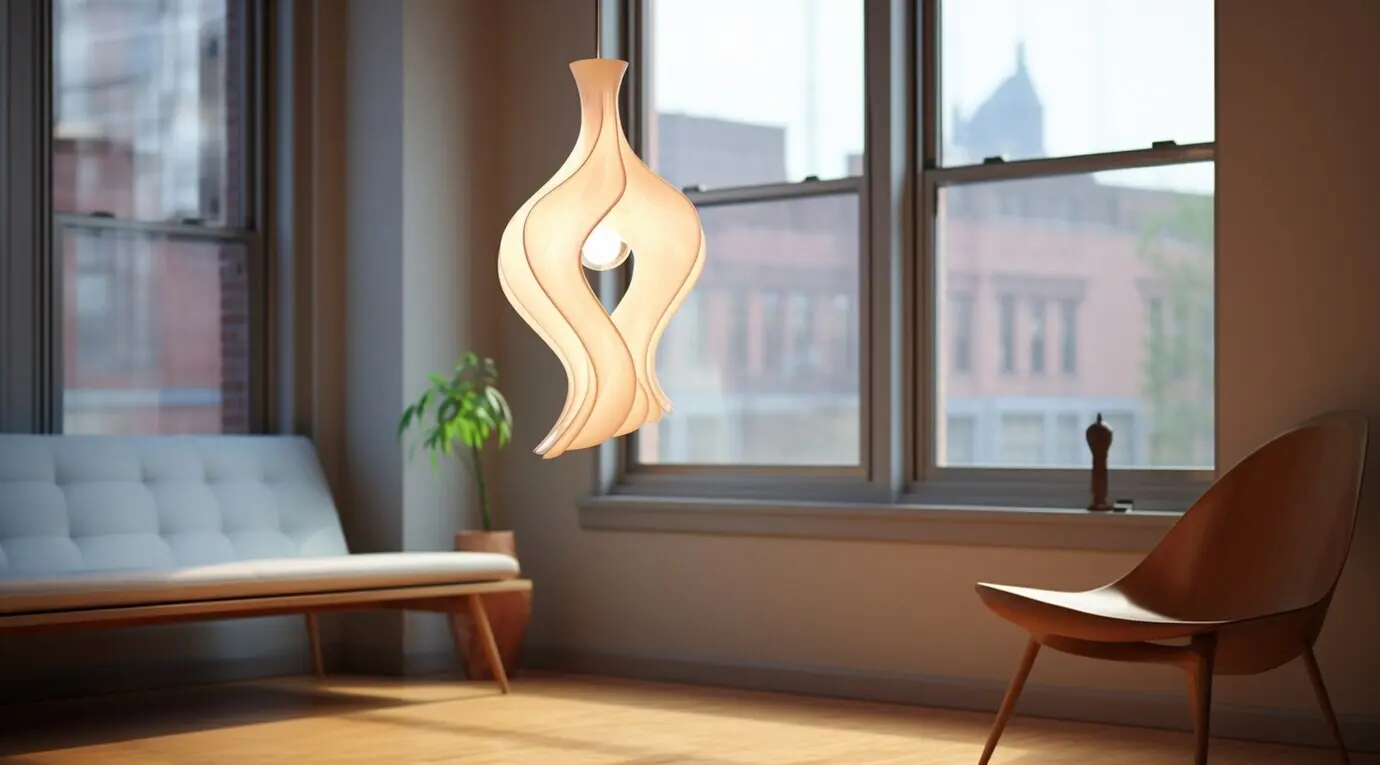
Choose finishes that feel honest and breathable: linen, cotton, wool, unfinished wood sealed lightly, clay paint, and woven grasses. Layer tactile softness where your body rests, and quiet patterns elsewhere. Add gentle botanical aromas and sound-absorbing textiles to reduce nightly disruptions in homes where walls and neighbors feel very close.

Textures that Ground and Cool

At the pillow, prioritize crisp percale or stonewashed linen to dissipate heat, then add a wool throw at the foot for weight and comfort. A slim cork mat beside the bed welcomes bare feet with quiet traction, creating a reliable, grounding signal at every bedtime.

Botanical Scents with Gentle Boundaries

Some people relax with lavender or chamomile, while others prefer a neutral room. Use tiny, timed diffusers or a single drop on a ceramic stone far from the pillow to avoid overwhelming fragrance. Prioritize ventilation, observe your response, and discontinue anything that interferes with deep breathing at night.

Fractal Patterns that Quiet the Mind

Nature’s repeating complexity shows up in fern fronds, ripples, and branch silhouettes. Art prints or textiles with gentle fractal qualities can reduce stress for many people. Keep palettes muted and limit visual density near the headboard so patterns soothe peripheral vision rather than overstimulating the space where you recover.

Air, Temperature, and Humidity for Rest

Silent Fresh Air Strategies

Choose the quietest setting on fans or purifiers and place devices on soft pads to dampen vibration. Direct airflow away from the face to avoid dryness. A compact purifier with HEPA filtration can decrease particulates, while weekly wipe-downs of plant leaves reduce dust that otherwise irritates nighttime breathing.

Finding the Sweet Spot for Moisture

Most sleepers feel comfortable around forty to fifty percent relative humidity. In tiny rooms, levels rise quickly from showers or cooking, so monitor with a small meter. Ventilate after steamy activities, empty humidifier tanks daily, and keep bedding dry and aired to discourage odors and mildew growth.

Thermal Comfort in Tight Quarters

Aim for a cool bedroom, often around 17–19°C or 63–66°F, adjusting for personal needs. Use layered blankets and breathable fibers so changes are easy at night. Keep heat sources low and indirect, and avoid hot electronics near the bed that can raise microclimate temperatures.

Headboard Solutions with Natural Character

A slim wooden headboard or a wall of vertical slats offers a gentle backdrop, hides cords, and supports indirect lighting. Integrate a small shelf for a wildflower sprig or earplugs. This human-scale detail frames the pillow, shaping a nestlike feeling without overwhelming tight dimensions.

Nightstand Simplicity and Smart Charging

Wall-mounted trays or narrow stools keep floors open while holding bedtime essentials. Use a fabric pocket for charging cables and mount a tiny, warm task light above. Put your phone on do-not-disturb automatically, making space for a book, a journal, and the uninterrupted drowsiness that follows.
Fozaruzinoxuve
Privacy Overview

This website uses cookies so that we can provide you with the best user experience possible. Cookie information is stored in your browser and performs functions such as recognising you when you return to our website and helping our team to understand which sections of the website you find most interesting and useful.