





Small Room, Deep Rest: Color and Material Harmony

Tonight we’re exploring color and material palettes that promote rest in tiny bedrooms, translating science into soothing choices you can actually use. Learn how gentle hues, breathable textures, and thoughtful finishes quiet visual noise, expand perceived space, and support rituals that help your body drift into truly restorative sleep. Share your favorite calming combinations in the comments, ask for personalized pairings, and subscribe for weekly small-space sleep strategies tested by real bedrooms and busy lives.

The Science of Soothing Hues in Compact Spaces

Color influences heart rate, alertness, and perceived temperature, which matters even more when walls sit within arm’s reach. By moderating saturation, favoring cool undertones, and balancing light reflectance values, you create calm, depth, and brightness without glare, helping limited square footage feel gentle, breathable, and quietly supportive of sleep.

Breathable Bedding for All Seasons

Linen regulates temperature with airy slubs, cotton percale stays crisp and cool, and sateen brings gentle drape without shine overload. Combine a lightweight duvet with a textured coverlet to layer comfort by degrees, so small bedrooms remain adaptable from heatwaves to chilly, restorative shoulder seasons.

Wood Tones and Soft Sheen Finishes

Select calm-grained species like oak, birch, or ash, finishing with matte or low-sheen oil to keep light diffuse. The subtlety prevents glare that wakes the brain. A single cohesive wood tone across nightstand, frame, and trim simplifies sightlines, letting your breathing sync with the room’s hush.

Sound-Soothing Surfaces

Cork wall tiles near the headboard hush late-night traffic, thick wool rugs catch footfall, and upholstered panels tame flutter echo around corners. Together these elements reduce restless awakenings, transforming a tight footprint into a nest that rewards whispering conversations and slow, satisfied morning stretches without haste.

Light, Reflection, and Finish Choices That Foster Sleep

In small bedrooms, the direction of light, paint sheen, and reflected highlights shape mood as much as color. Gentle diffusion calms focus; pinpoint sparkle agitates. Map finishes deliberately, balancing task clarity and bedtime softness so the room transitions gracefully from lively morning routines to restorative dusk.
Use matte on ceilings and large walls to absorb glare, eggshell where wipeability matters, and satin only on trims that need subtle durability. This hierarchy keeps reflections broad and soft, protecting circadian wind‑down and making small surfaces feel farther away than they are.
Mirrors amplify daylight but can overstimulate at night. Place them opposite curtains or art rather than bare bulbs, and choose brushed metals over chrome. The reduced specular highlights preserve calm, while still bouncing just enough light to expand the room without shouting.

Micro-Palettes: Three Calm Recipes for Very Small Rooms

Limiting choices reduces decision fatigue and visual clutter. Work with three-color families anchored by one wood tone and one primary textile texture. This approach simplifies shopping, speeds setup, and produces repeatable tranquility that looks collected, not stark, even when furniture footprints must be miniature.

Color Blocking Tricks That Enlarge and Soothe

Thoughtful blocks guide the eye and establish zones without clutter. Keep contrasts gentle and edges blurred, using lighter ceilings and slightly deeper headboard walls to shape perception. These illusions create height, depth, and calm, allowing compact furniture to feel intentional rather than cramped.

A Quiet Halo Behind the Bed

Paint a soft rectangle a shade deeper than the walls behind your headboard. It frames the sleep zone, reduces busy artwork needs, and provides depth without heavy furniture. Choose matte paint so light diffuses, encouraging eyes to relax while shoulders drop into evening ease.

Raising the Ceiling with Gentle Gradient

Bring wall color up over the crown in a lighter mix, or glaze the upper twelve inches slightly paler. The near-invisible transition lifts boundaries, softening corners and calming the mind. Pair with understated drapery rods to keep the verticals simple, silent, and undeniably restful.

Depth Through a Dusk-Toned Niche

Paint the wall behind a dresser or shelving unit a dusk tone two steps darker than adjacent surfaces. Shadows settle, objects read as silhouettes, and the room feels deeper. This subtle drama satisfies the eye while protecting the hush essential for falling asleep quickly.

Personal Rituals and Meaningful Details, Kept Quiet

Deep rest grows from habit as much as palette. Edit keepsakes, scents, and lighting so every element coordinates with color and material choices, reinforcing tranquility rather than competing with it. The result is a space that feels personal, generous, and serenely sleepy every evening.

Curating Art Without Clutter

Choose two or three pieces with wide mats and calm palettes, repeating frame tones found in floors or furniture. Group them tightly over the headboard or a single wall. Your gaze rests quickly, emotion reads immediately, and bedtime stories begin without visual chatter intruding.

Scent, Touch, and Memory

Introduce lavender or cedar in small doses, woven through wool throws or drawer liners. Pair with a ceramic diffuser and dimmable amber bulbs. As scent anchors routine and texture welcomes fingertips, your nervous system receives the same nightly message: it is safe to unwind.

Tech Boundaries and Night Lighting

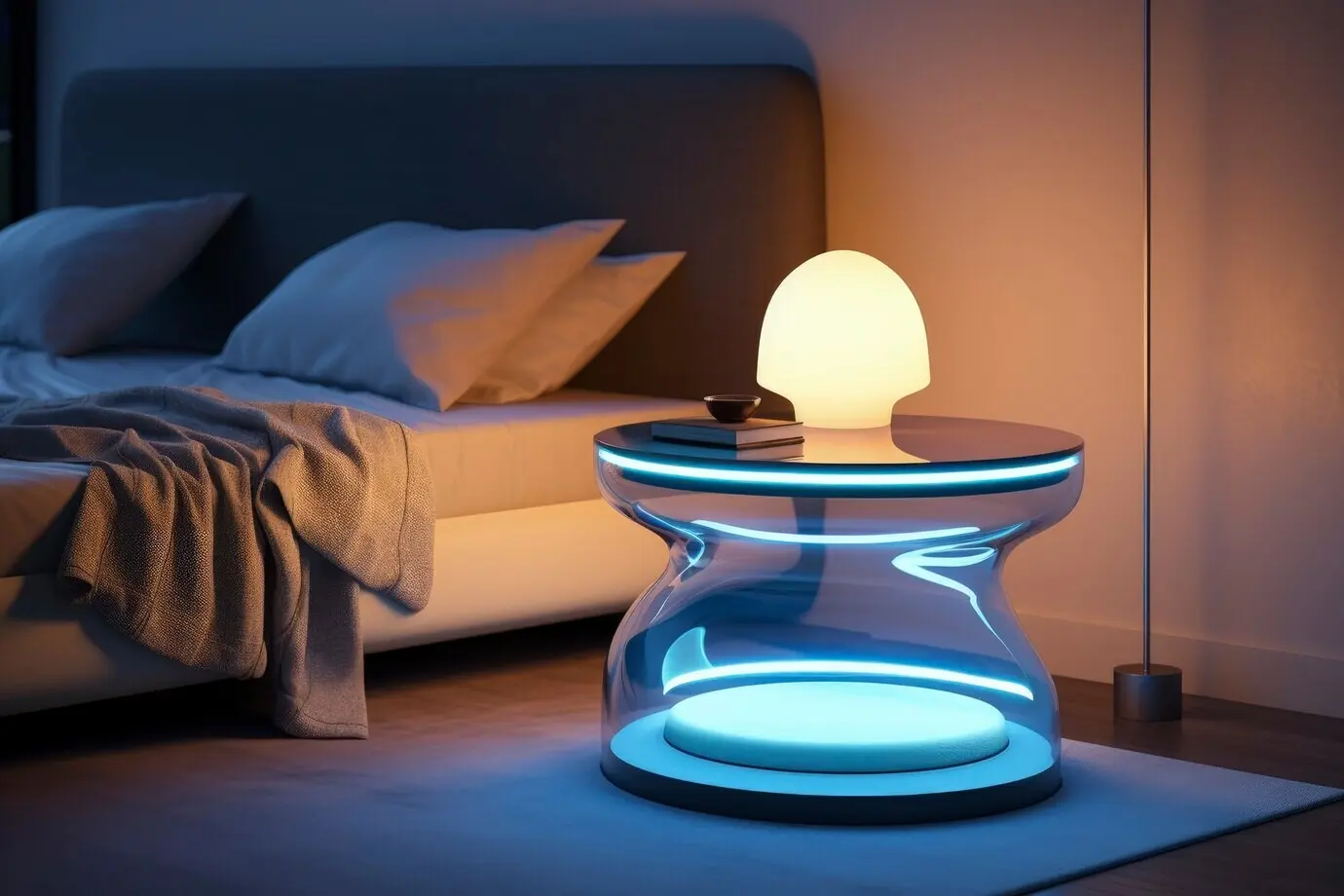
Charge devices outside the room, replacing alarms with a quiet analog clock. Use low-level, indirect light around 2200–2700K to protect melatonin. A tiny space becomes instantly calmer when screens disappear and the glow shifts toward candlelike warmth that whispers, breathe slow, sleep soon.

Fozaruzinoxuve
Privacy Overview

This website uses cookies so that we can provide you with the best user experience possible. Cookie information is stored in your browser and performs functions such as recognising you when you return to our website and helping our team to understand which sections of the website you find most interesting and useful.