Quiet Corners: Designing a Restful Sleep Nook in Your Studio

Today we explore layout techniques to carve out a tranquil sleep nook in studio apartments, blending zoning strategies, light control, acoustic layering, and storage planning to protect truly restorative rest. You will learn how to define boundaries without building walls, choreograph circulation, and keep visual noise low so your body receives nightly cues to unwind. Expect practical tips, small-space diagrams in words, and real-life anecdotes that help you translate ideas into a cozy cocoon that still lets the rest of your home breathe.

Zoning Without Walls

In a studio, separation is a feeling you create rather than a line you build. Use furniture footprints, textile layers, color value shifts, and subtle height changes to cue your brain that the bed area is for rest. Prioritize clear paths from entrance to kitchen and bath so late-night movement never grazes pillows. Keep bedside circulation quiet and indirect, letting the rest of the room buzz while your corner whispers.

Acoustic Calm in a Noisy Footprint

{{SECTION_SUBTITLE}}
Layered Sound Control

Start by sealing door bottoms with a sweep, then stuff thin gaps with weatherstrip to stop whistling noise. Lay a dense rug pad beneath a wool rug to damp footfall. Line the rear of a shelving unit with cork or felt panels so books act as diffusion. Upholster a headboard with batting and tightly woven fabric to absorb reflections near your ears. Each small layer compounds to soften the room’s echo.

Smart Noise Masking

A gentle fan, low white-noise generator, or looping rain track can smooth sporadic sounds from hallways or streets. Keep volume just high enough to blur peaks, not dominate your senses. Choose warm, consistent tones over melodically complex ones to avoid subconscious vigilance. If you share space, agree on a nightly routine that turns on masking at the same time, training your nervous system to anticipate quiet and drift sooner.

Blackout Layering Done Right

Combine inside-mount blackout roller shades with outside-mount drapery to block side leaks, especially around window frames common in rentals. Choose tightly woven, dark-lined panels to prevent haloing. Add magnetic side channels or simple Velcro strips if light sneaks in at edges. Keep a soft, easily reachable sleep mask nearby as a final layer. When darkness is reliable, your body trusts the cue and settles faster and deeper.

Lighting Scenes that Wind You Down

Install a pair of low-glare bedside lamps with warm bulbs on separate dimmers. Add an indirect LED strip under the bed frame or behind the headboard for a halo that guides late movement without glare. Replace cool task lights in the living area after dusk with amber filters. Create a simple two-tap routine: general lights off, bedside and halo to twenty percent. Habitual lighting scenes become an effortless nightly lullaby.

Underbed and Vertical Solutions

Choose a bed with deep, smooth-gliding drawers or rolling bins that fully clear the floor, preventing dust traps. Store rarely accessed items deeper, leaving bedtime essentials close. Mount a narrow cabinet above shoulder height for seasonal textiles, keeping lines clean. Use matching boxes with clear, simple labels inside closed storage so retrieval is calm. The goal is frictionless tidiness that protects the nightly ritual instead of interrupting it.

Wardrobe Placement as a Buffer

Position a full-height wardrobe perpendicular to the wall to create a gentle screen near the bed, leaving at least thirty inches for circulation. Choose doors that close softly to avoid slams. Integrate a fabric panel or cork inside one door for reminders that never clutter the bedside. A wardrobe placed thoughtfully becomes both storage and acoustic diffuser, turning a necessary cabinet into a quiet guardian of your sleeping corner.

Nightstand Alternatives with Purpose

Swap bulky tables for slim wall shelves with concealed cable channels and a small drawer. Add a shallow niche headboard to corral books and glasses, so surfaces stay clear. Use a single charging base that handles multiple devices to reduce cord nests. Keep just water, lamp, and one personal object visible. Simplicity near the pillow decreases bedtime decisions, inviting your attention to narrow gently toward breathing and stillness.

Micro-Layouts for Real Studio Plans
Not all studios share bones. Long and narrow rooms demand different flows than nearly square ones, and window placement changes everything. Below, three word-based layouts translate principles into action you can sketch quickly. Use them as starting points, then edit for outlets, doors, and radiator quirks. Small shifts in inches, not feet, often produce the clarity your sleep nook needs to feel inevitable and beautifully calm.

Breathable Materials and Sleep-Friendly Colors
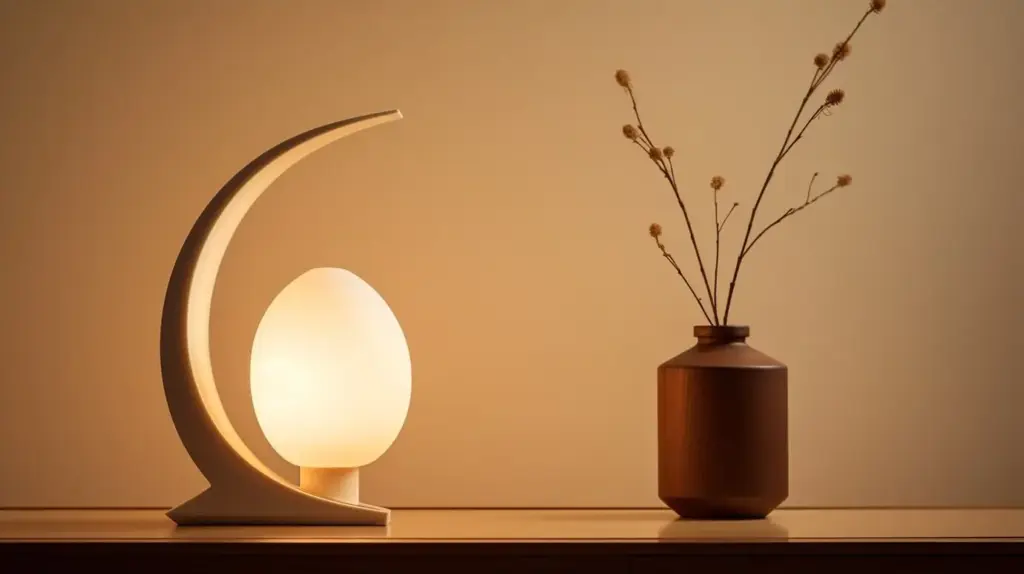
Materials touch your skin and your air. Favor low-VOC finishes, natural fibers, and breathable foams to reduce subtle irritants that keep you semi-alert. Choose matte textures and mid-to-low value colors that recede at night. Cool undertones calm busy daylight, while warm accents keep comfort alive. Limit contrasting patterns within the sightline from the pillow. When surfaces are quiet, your nervous system does not hunt, and rest comes easier.

Rituals, Maintenance, and Living with the Nook

Spaces stay calm when behaviors support them. Create tiny rituals—two-minute reset, five-minute tidy—that protect edges between daytime bustle and evening quiet. Wash bedding on a consistent cadence and rotate pillows to refresh feel. Keep a short checklist to tame drifting clutter. Share photos of your progress, ask questions, and subscribe for future layout breakdowns. Together, we can refine your nook until it becomes the most reliable kindness in your home.
Fozaruzinoxuve
Privacy Overview

This website uses cookies so that we can provide you with the best user experience possible. Cookie information is stored in your browser and performs functions such as recognising you when you return to our website and helping our team to understand which sections of the website you find most interesting and useful.